Solar Panel Payback Period: How Long Until Your System Pays for Itself?
Understand solar payback period in India. Learn how government subsidies reduce payback from 6 years to 3 years and calculate your specific ROI.
Shivam
12/6/20254 min read
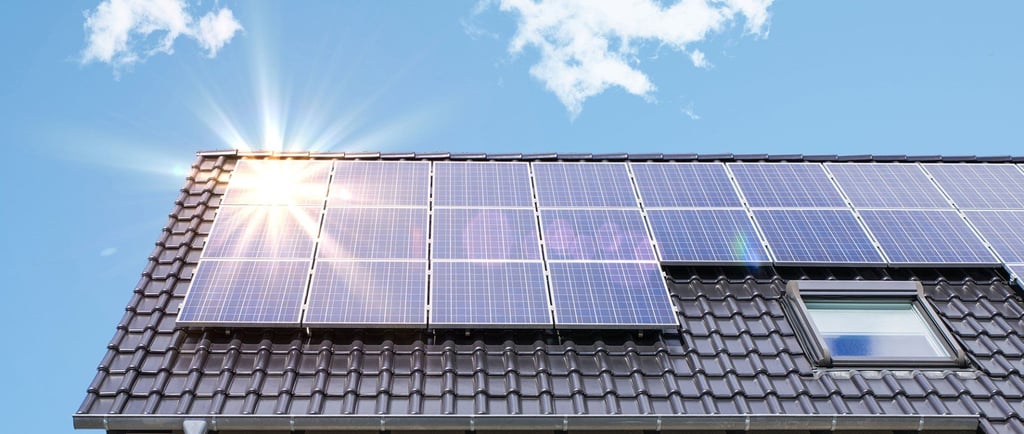
Ready to join the solar revolution but unsure where to start? Let’s settle the age-old debate of on-grid vs. off-grid solar systems! Whether you’re dreaming of energy independence or aiming to save big with net metering in the city, understanding the difference between on-grid and off-grid solar systems is your golden ticket to greener living.
This blog breaks down the buzz around these systems, compares their perks, and helps you pick the perfect match for your energy needs. Spoiler alert: both options are sustainable and awesome—it's just about finding the right choice for you
What is an on-grid solar system?
An on-grid solar system, or grid-tied system, uses photovoltaic panels to generate solar energy, which is directly integrated with the local electricity grid. It enables users to power their homes or businesses with solar energy while relying on the grid for backup. Excess energy produced can be fed back to the grid, often earning credits through *net metering programs, though the application of net metering varies based on each state's policy.
How On-Grid Solar System Works?
* Solar panels: Photovoltaic panels capture sunlight and convert it into direct current (DC) electricity. These panels are typically installed on rooftops or open areas with abundant sunlight.
* Inverter: The DC electricity generated is sent to an inverter, which converts it into alternating current (AC) electricity to power appliances and devices.
* Electrical service panel: The AC electricity flows into the building’s main electrical panel, ensuring a consistent power supply.
* Net metering: Any excess electricity is sent back to the grid through a bidirectional net meter. This system credits users for surplus energy, effectively reducing their electricity bills. However, it is important to note that the application of net metering changes as per each state's policy.
* Grid backup: When there is insufficient solar energy, the system draws power from the grid, ensuring uninterrupted electricity.
Advantages of on-grid solar systems
On-grid solar systems has multiple advantages that help you focus on your energy needs
* Integrated with the grid: On-grid systems use the local grid as a virtual battery, eliminating the need for costly energy storage.
Earn through net metering: Surplus energy can be sold back to the utility provider, providing financial benefits. Although, the application of net metering changes as per each state's policy.
* Consistent energy supply: These systems ensure a steady power supply by drawing from the grid during low sunlight periods.
* Affordable installation: The absence of batteries reduces initial investment costs, making it an economical choice.
* Environmentally beneficial: Sharing excess renewable energy with the grid reduces dependency on fossil fuels, lowering the carbon footprint.
Ready to know more about energy independence? Let’s talk about off-grid solar systems.
What is an off-grid solar system?
An off-grid solar system functions independently from the utility grid, using solar panels and battery storage to generate and store electricity. These systems are ideal for remote areas or locations with unreliable grid access. Equipped with inverters and charge controllers, they ensure a stable power supply, thus reducing reliance on fossil fuels for sustainable living.
How Off Grid Solar System Works?
* Solar panels: Similar to on-grid systems, photovoltaic panels capture sunlight and convert it into DC electricity.
* Charge controller: The electricity flows to a charge controller, which regulates and stores excess power in a battery bank for later use.
* Battery bank: The battery bank stores energy for use during nighttime or overcast conditions, ensuring a continuous power supply.
* Inverter: The stored DC electricity is converted to AC when needed to power appliances.
* Distribution panel: The AC electricity is distributed to electrical loads, powering devices, and appliances even in remote locations.
* Electricity backup: In areas with high energy demands or limited solar output, backup energy storage solutions can be integrated to provide additional support.
Advantages of off-grid solar systems
Off-grid solar systems has multiple advantages that help you focus on your energy needs
* A reliable energy solution: These systems eliminate reliance on the utility grid, ensuring power even during outages.
* Perfect for remote locations: Perfect for locations where connecting to the grid is impractical or expensive.
* No utility costs: Off-grid systems free users from recurring utility costs, offering long-term savings.
* Reliable during outages: Provides a reliable power supply during natural disasters or grid failures.
Difference between off-grid and on-grid solar systems
Wondering which solar setup is right for you? Discover the key differences between off-grid solar systems and on-grid solar systems below.
Factors to consider when choosing on-grid or off-grid solar systems
To determine whether an on-grid solar system or an off-grid solar system suits your needs, evaluate the following:
* Location: Is your area well-connected to the grid, or do you face frequent power outages?
* Budget: Do you have the budget for battery storage, or do you prefer a cost-effective solution?
* Energy needs: How much energy do you consume daily, and how critical is an uninterrupted power supply?
* Environmental goals: Are you looking for complete energy independence or to reduce your carbon footprint?
Bridging the gap between grid dependency and off-grid freedom, hybrid solar systems offer the best of both worlds.
What is a hybrid solar system?
A hybrid solar system combines the benefits of both on-grid and off-grid solar systems, offering a versatile and reliable energy solution. It uses solar panels to generate electricity, stores excess energy in batteries for later use, and remains connected to the local electricity grid. This system ensures continuous power supply during grid outages, allows for *net metering i.e. earning credits for excess energy fed back to the grid, and reduces dependency on grid power while optimizing energy storage. Although, the application of net metering changes as per the state policy. Hybrid systems are ideal for homeowners or businesses seeking energy independence, backup power, and the flexibility to draw from the grid when necessary.